
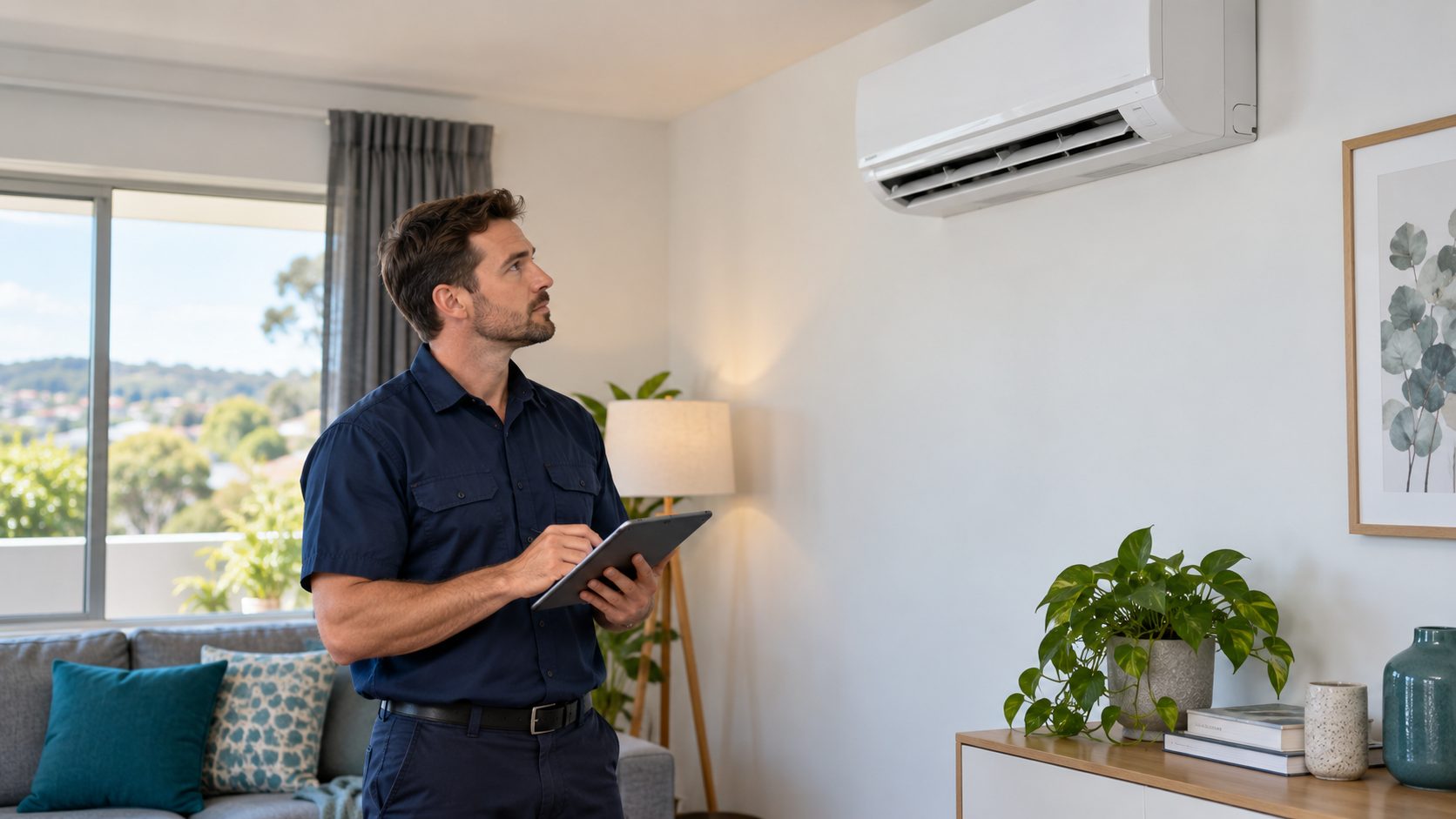
A familiar air conditioner becomes easy to ignore until its sound changes. A new rattle during a quiet evening, a persistent buzz outside or an unexpected scraping noise can leave you wondering whether to keep using it. The most useful starting point is to notice what has changed without opening the equipment or trying to diagnose the fault yourself.
Garden City Air provides air conditioning repairs in Toowoomba, including fault finding for unusual noises. A clear description helps the team understand the symptom, but the sound alone does not identify a failed part. Some operating sounds are normal for a particular model; others need inspection.
Compare the sound with normal operation
Air conditioners contain moving parts and circulate refrigerant, so silence is not a realistic expectation. Manufacturer information describes some brief clicks, flowing sounds and ticking associated with normal operation. For example, Daikin explains that temperature changes can cause the casing to expand or contract slightly, while controls and moving flaps can make short sounds.
Those explanations are model-specific. They should not be used to dismiss a new or increasingly loud noise in a different system. Check the user manual for your own unit and consider whether the sound is familiar, brief and consistent with the circumstances described.
The important distinction is a change from your system’s usual behaviour. A noise that has suddenly appeared, keeps returning or occurs alongside reduced performance deserves a conversation with a technician, even if an online description sounds similar.
Notice when and where it happens
The timing of a noise can provide useful context. Does it happen when the unit starts, after it has been running for a while or when it stops? Is it associated with cooling, heating or a particular fan setting? Describe the pattern you have already noticed rather than repeatedly operating a suspect system to reproduce it.
Identify whether the sound seems to come from the indoor unit, the outdoor unit or a ceiling vent. Sound can travel through a building, so describe where you hear it most clearly without treating that location as a confirmed source.
For a ducted system, note whether one room is affected or the sound is heard throughout the house. For a split system, explain whether the noise appears to coincide with the indoor fan or another operating change. These observations help make the enquiry more specific.
Understand why a noise label is not a diagnosis
Words such as “rattle”, “buzz” and “whistle” mean different things to different people. A short movement sound at start-up is different from a continuous vibration that has become louder over several weeks. The technician needs the pattern, the system details and an inspection to determine what is happening.
Mitsubishi Electric lists unusual whistling and reduced airflow among signs that an air conditioner may need servicing. That does not mean every whistle has the same cause or that cleaning a filter will resolve every noise. Similarly, a click does not automatically indicate an electrical fault.
Avoid ordering replacement parts based on a recording or a general troubleshooting list. An accurate assessment helps distinguish normal operation, maintenance needs and a fault requiring repair. It also reduces the risk of replacing an unrelated component while the real problem remains.
Know when to stop using the system
If the unit produces a loud abnormal noise, severe vibration or another concerning change, stop using it and arrange advice. Do not continue running it simply to see whether the noise disappears. Manufacturer guidance for abnormal operating noise recommends stopping the equipment and contacting the supplier or service provider.
Burning smells, smoke or sparking require immediate attention. Keep clear of unsafe equipment and use the normal controls to stop operation only if it is safe to do so. In an emergency involving fire or immediate danger, call 000.
Do not remove electrical covers, reach through fan guards, tighten internal parts or interfere with refrigerant components. Avoid repeatedly resetting a tripping protective device. Tell the service team exactly what happened and whether you have already switched the system off.
Keep observations safe and simple
You do not need to climb, open a ceiling space or stand beside moving machinery to make a useful report. Observe from a normal accessible position. If an existing recording captures the sound, keep it available; do not restart a system you have stopped because of a concerning symptom just to obtain one.
A short video can sometimes show the timing of an intermittent sound, but a phone recording does not provide a reliable noise measurement or a complete diagnosis. Include a written description of the circumstances so the recording has context.
Photograph the model information only if it is safely accessible. Otherwise, look for the details in your installation paperwork or previous service records. Do not move the unit, remove a panel or balance on furniture to find a label.
Prepare the information for your repair enquiry
When contacting Garden City Air, provide the property address, the type of system and the make and model if known. Explain when the noise began, whether it has changed and whether cooling or heating performance is affected. Mention any displayed error code exactly as it appears.
Include recent events that may be relevant, such as other building work nearby, a previous service or a period when the system was not used. These details are context for the technician, not proof that any particular event caused the fault.
For a rental property or workplace, identify the person coordinating access and approval. Let the team know about restricted access, pets or business operating needs. A clear booking enquiry helps the visit focus on the equipment and the reported symptom.
Discuss the findings before deciding on repairs
After assessment, ask the technician to explain the source of the noise and the recommended work. Clarify whether the issue is normal operation, a maintenance requirement or a component fault. Ask what the proposed repair includes and whether further investigation is needed.
A noisy system does not automatically need replacing. Equally, a minor adjustment should not be assumed to solve every problem. The decision depends on the findings, the condition of the equipment and the available repair options.
Garden City Air’s service and repair offering includes diagnostics, performance checks and advice on repair versus replacement. If replacement is recommended, the team can also discuss air conditioning sales and installation in the context of your home and its requirements.
Frequently asked questions
Is clicking from an air conditioner always a fault?
No. Some models make brief clicks during normal control or flap operation. Check your model’s instructions. A new, persistent or changing sound should be assessed rather than dismissed because another unit makes a similar noise.
Can I keep using a unit that still cools well?
Cooling performance alone does not establish that the unit is safe or operating correctly. Stop using equipment with an abnormal or concerning symptom and ask for advice. Do not continue operating it to test how long it lasts.
Will a recording tell you which part needs replacing?
A recording can help describe the symptom, especially if it is intermittent, but it does not replace inspection and testing. Provide the operating context and system details with it.
Arrange air conditioning repairs in Toowoomba
If your air conditioner sounds different and you need practical advice, contact Garden City Air on (07) 4526 8024 or send a service enquiry. Describe the noise and any other changes you have noticed so the team can discuss the appropriate next step for your Toowoomba property.